



MIMISOME GLOBAL Jinju
MIMISOME Global
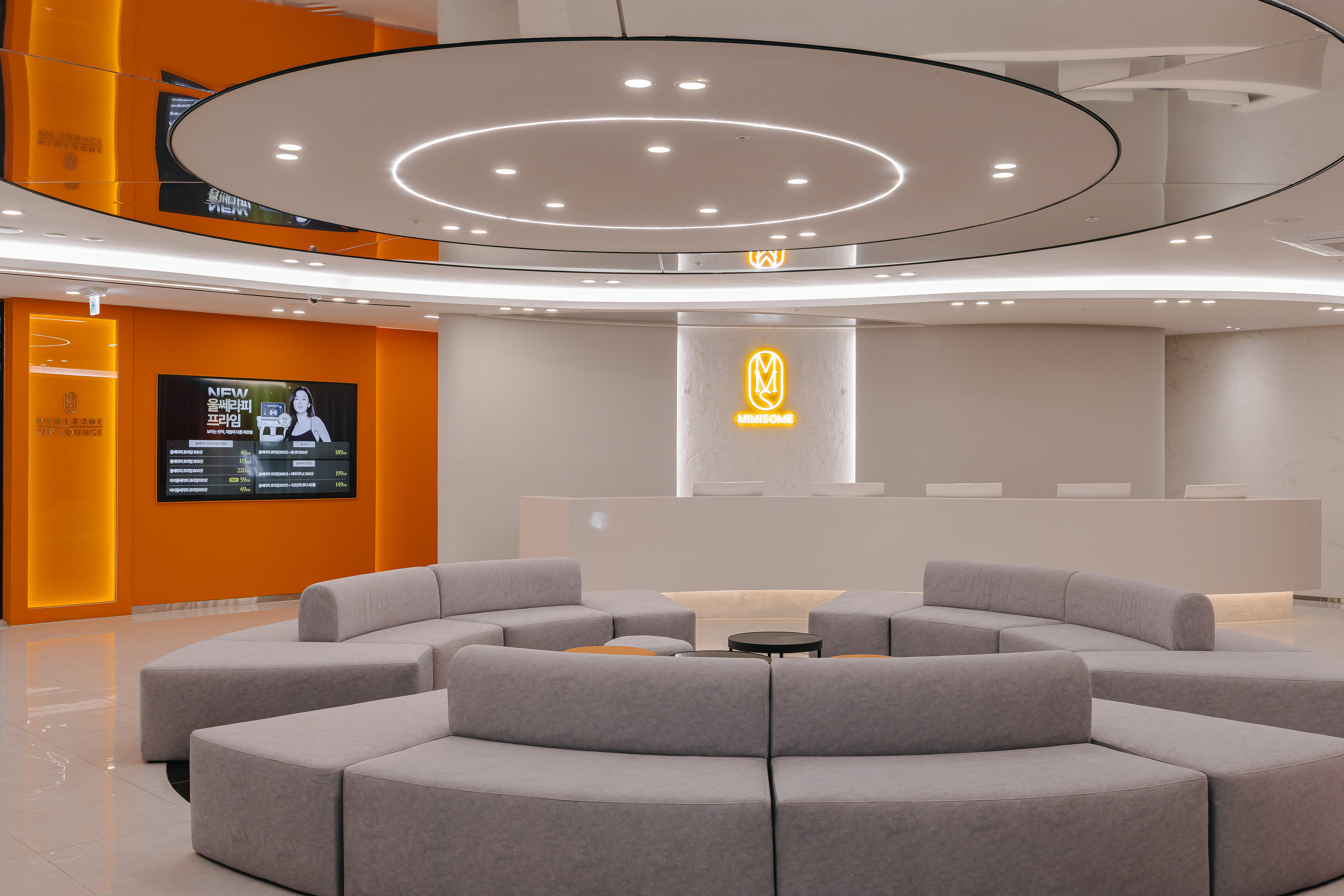
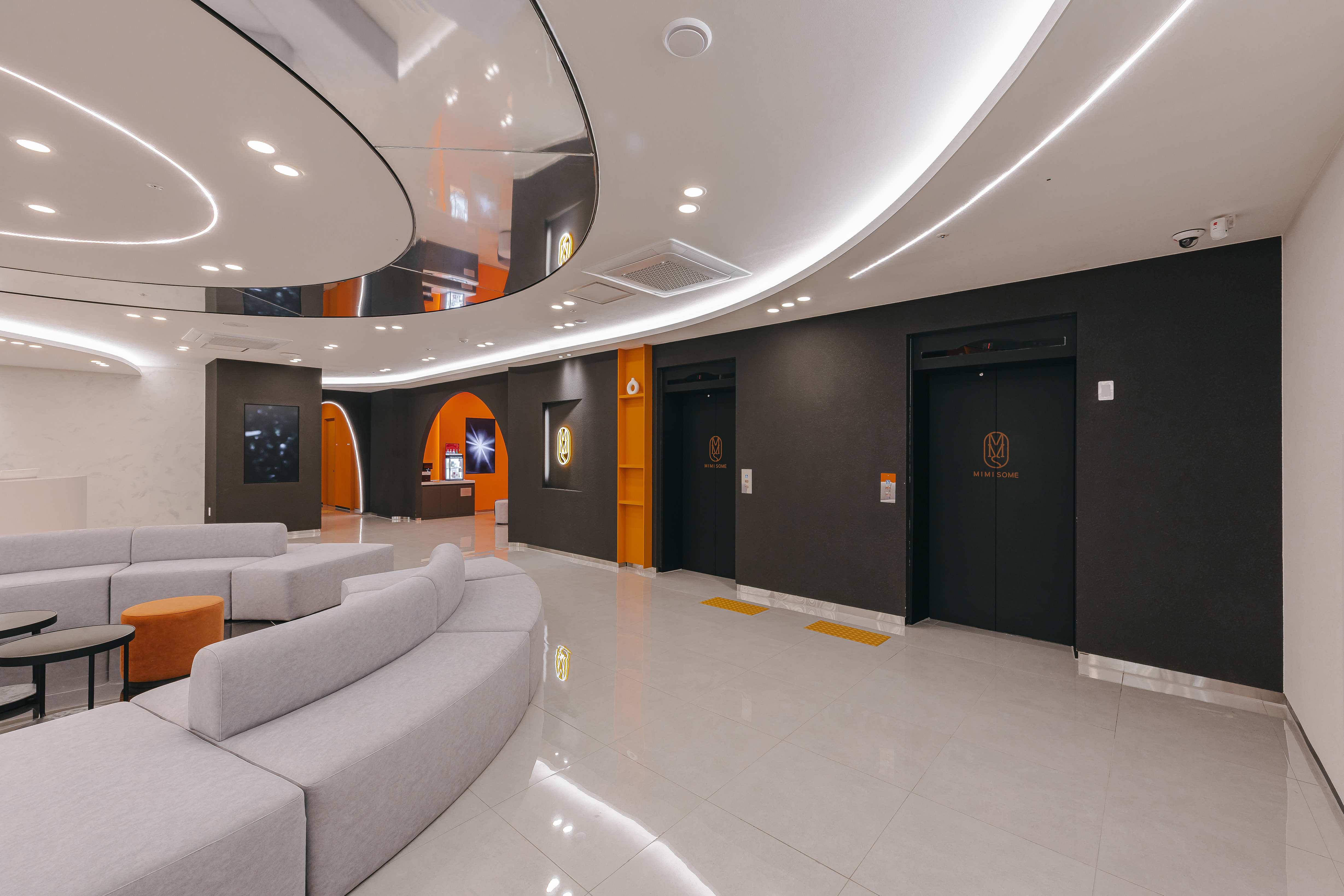
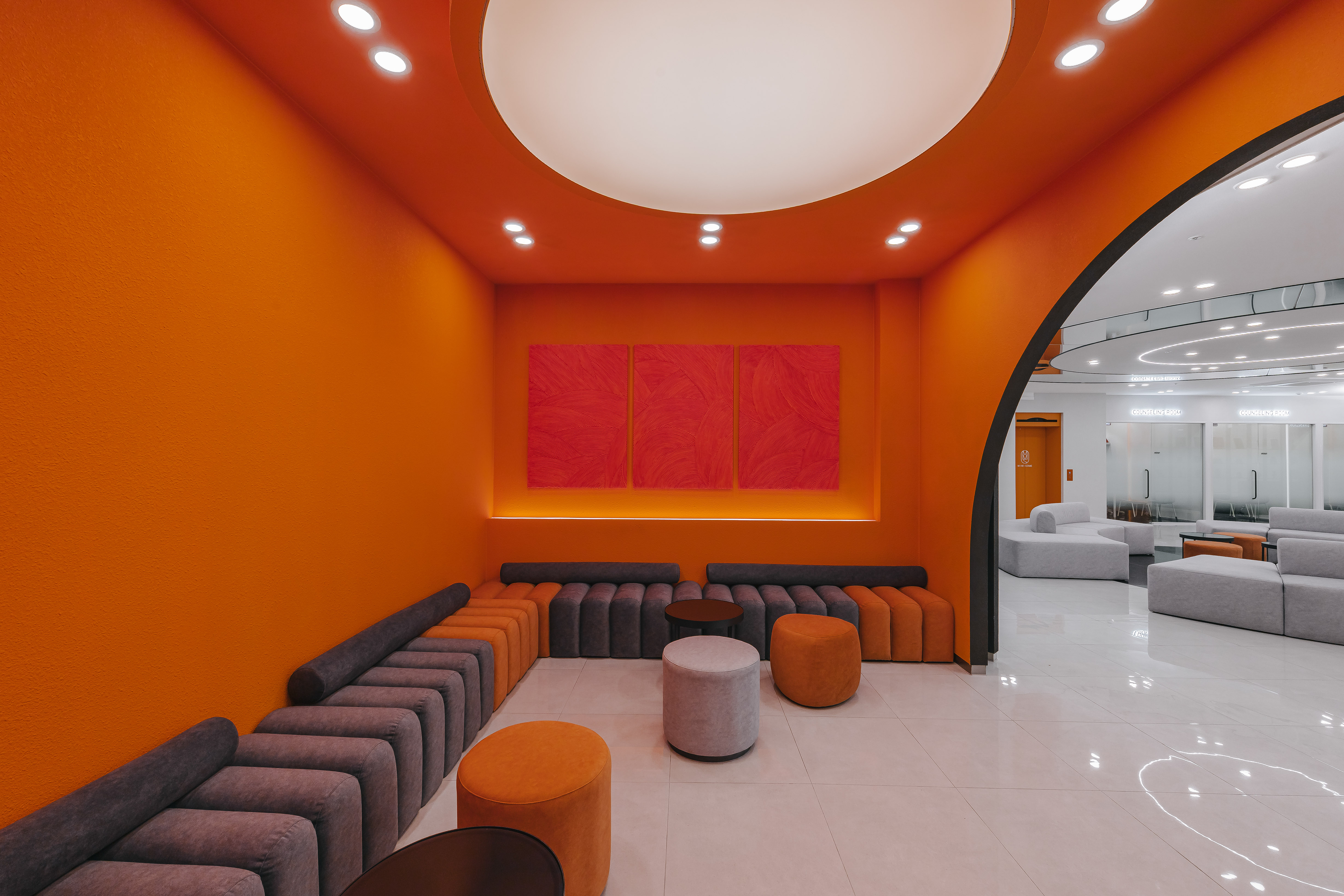
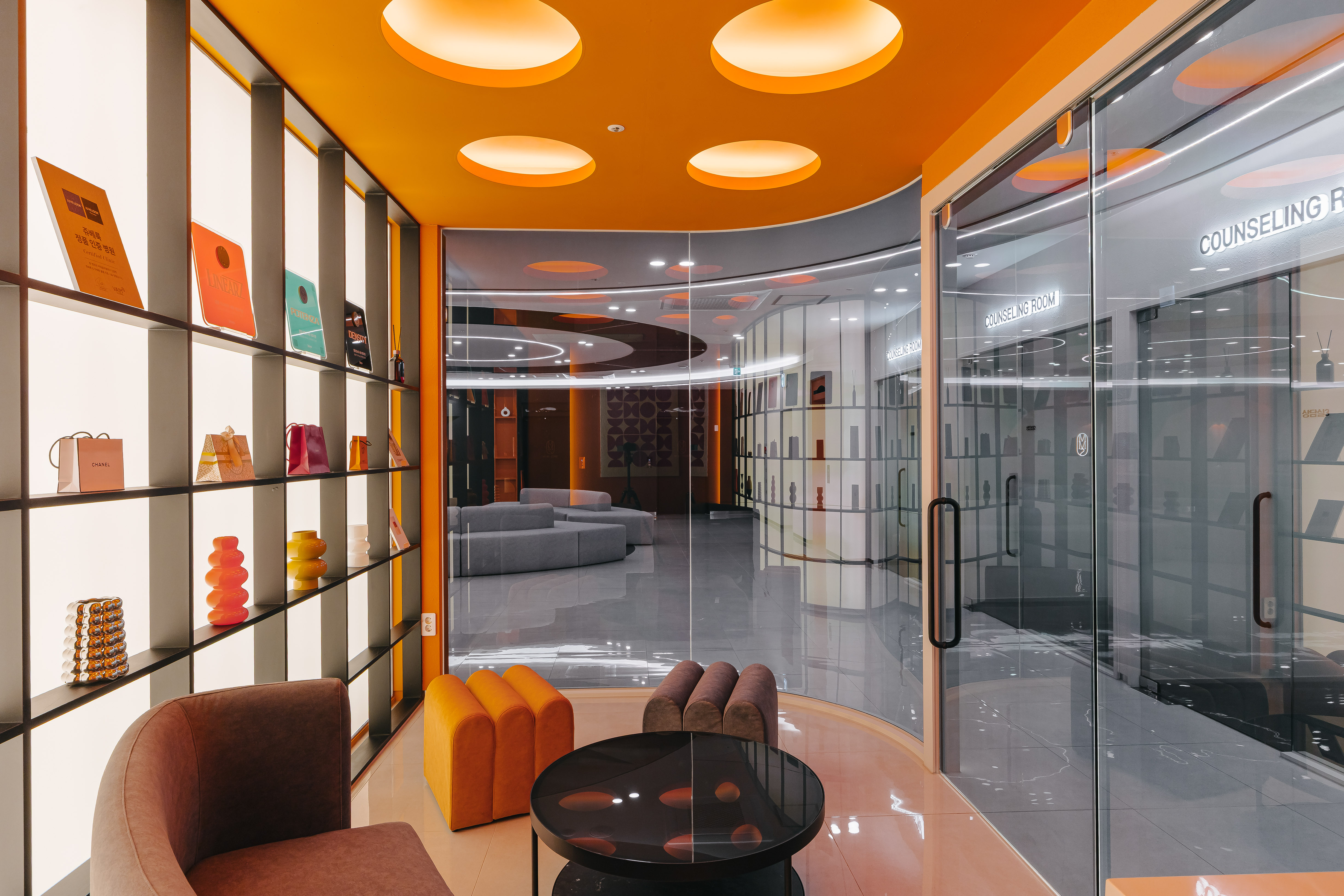
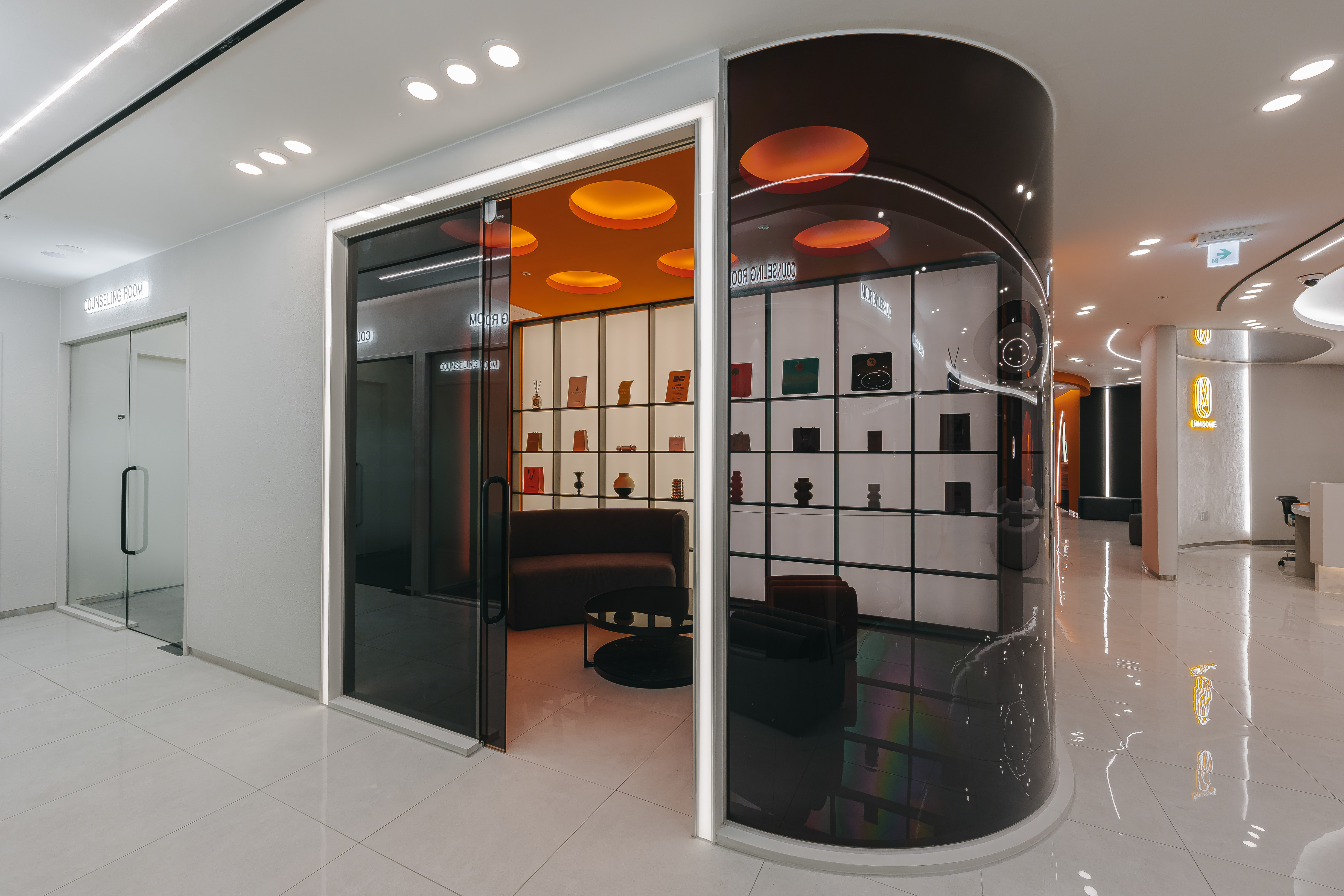
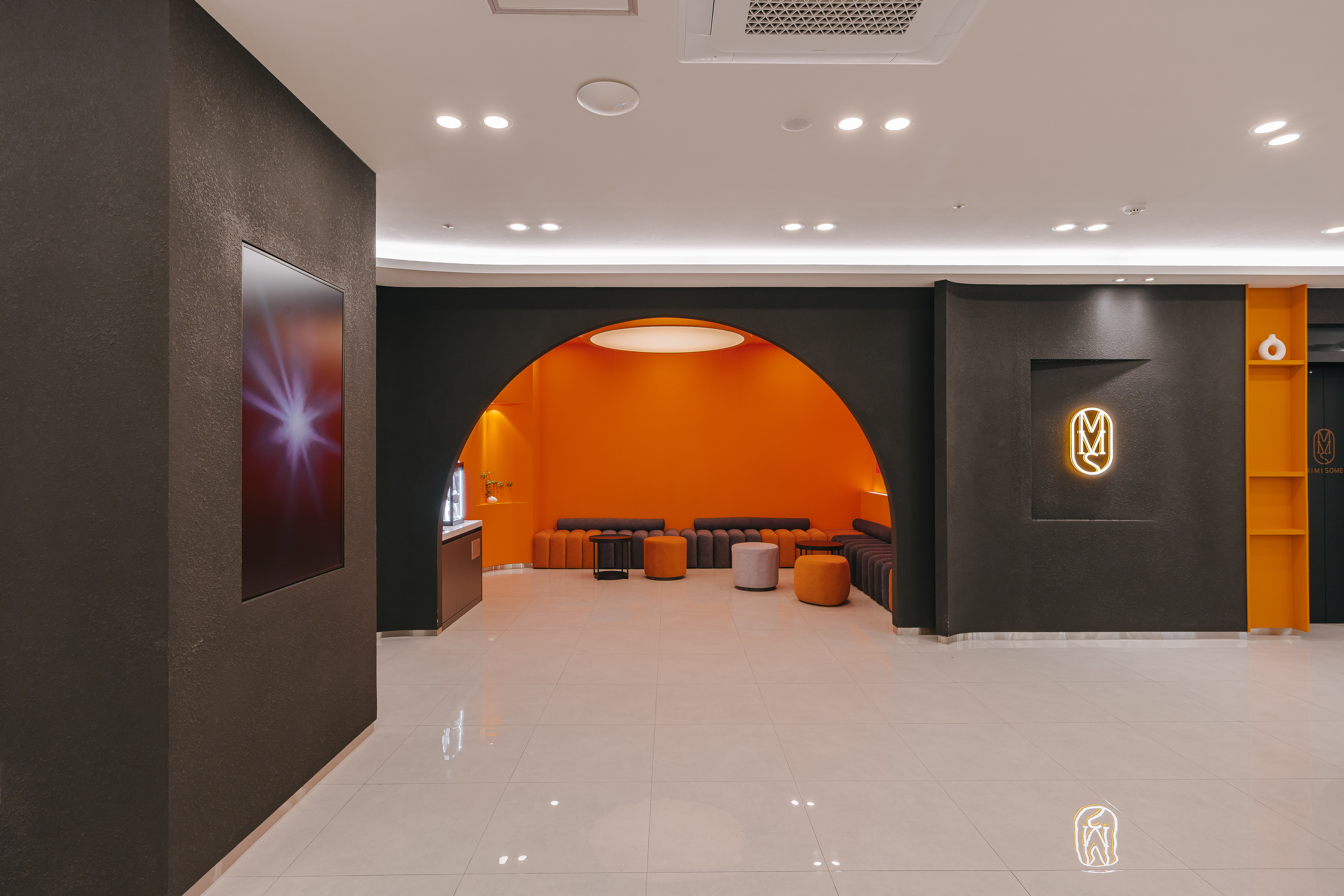
MIMISOME is a foreigner-friendly dermatology clinic in Jinju, South Korea, specializing in Botox, dermal fillers, lifting treatments, and skin rejuvenation.
 Events & Reservation
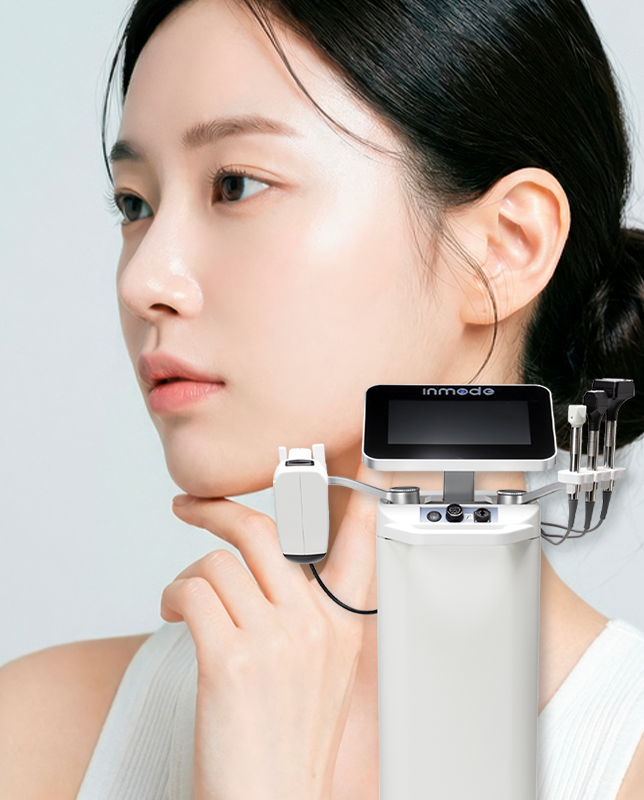
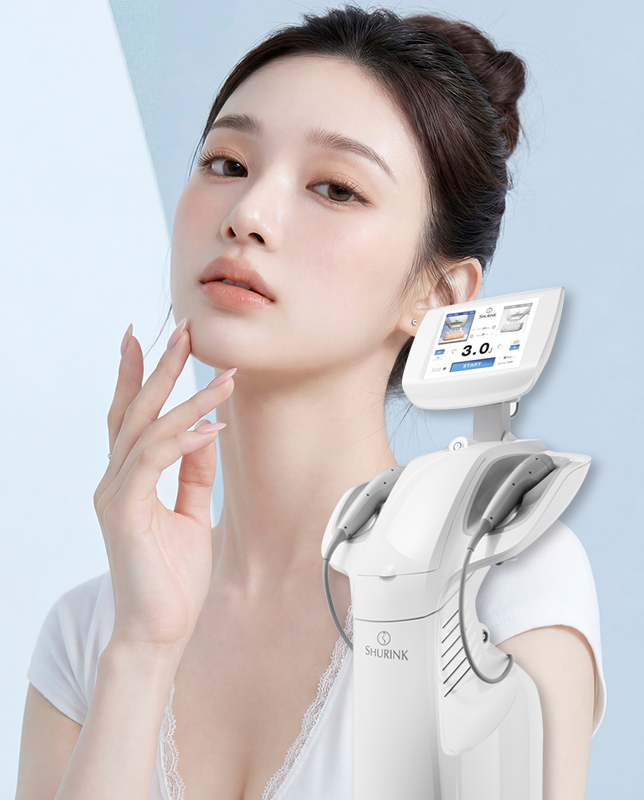
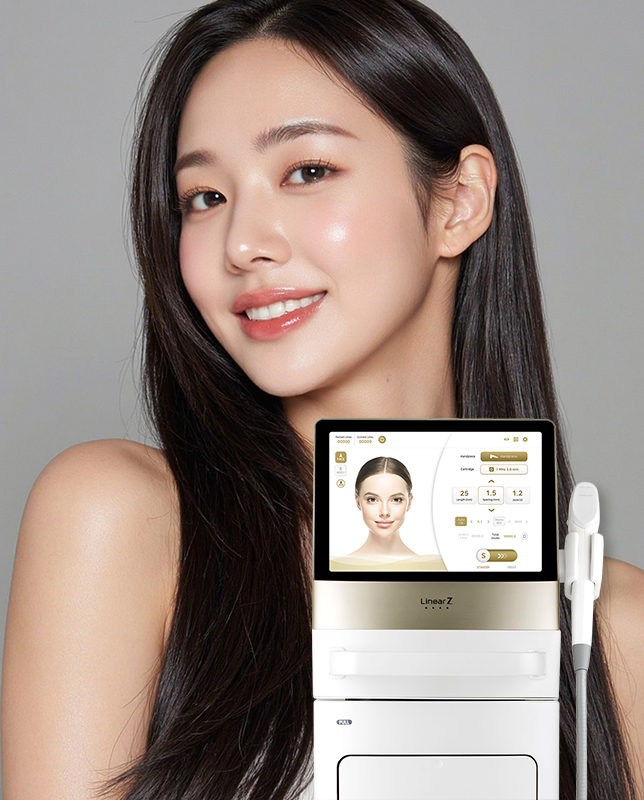
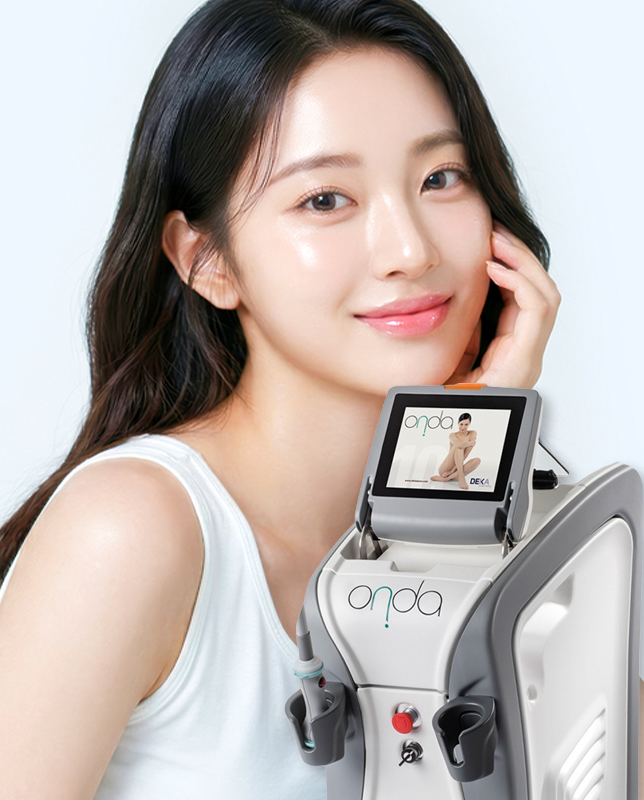
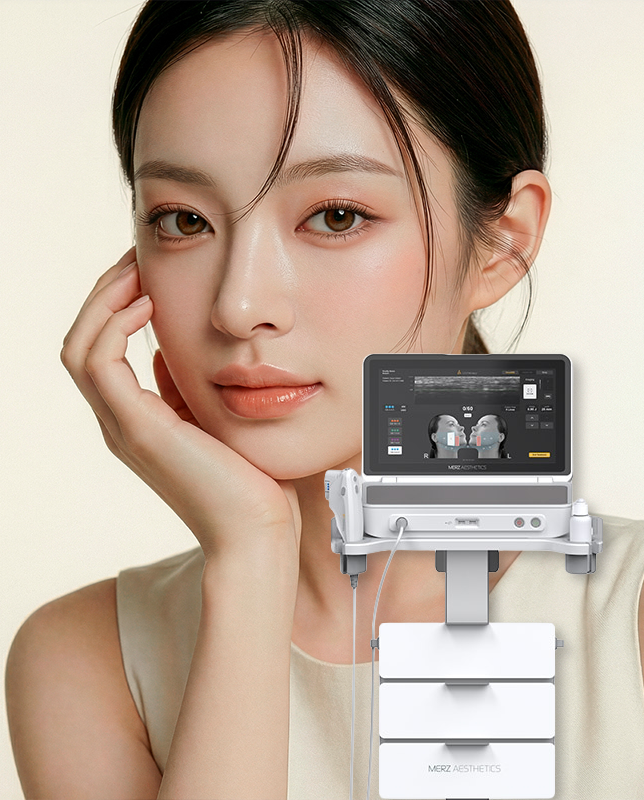
Lifting
paceEvent Period No period
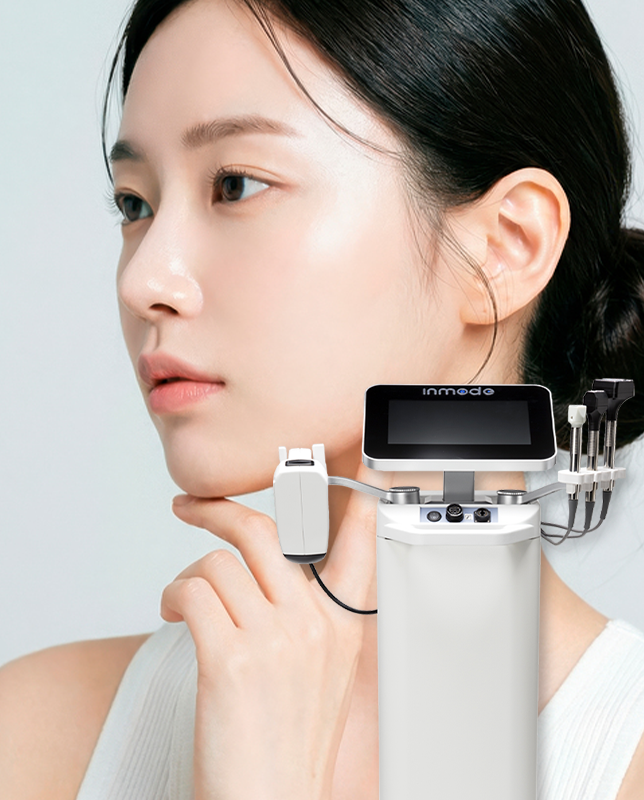

Skin Booster
paceEvent Period No period

branch information
-
Address information
521, Jinyangho-ro, Jinju-si, Gyeongsangnam-do, Republic of Korea, 2F (Megabox Jinju)
-
Clinic hours
· Weekdays : 10:30 AM - 8:30 PM
· Saturdays : 10:00 AM - 4:30 PM
· Lunchtime : 2:00 PM - 3:00 PM
· No lunch break on Saturdays
- garageParking available
- partly_cloudy_nightNight care
FAQ
-
A
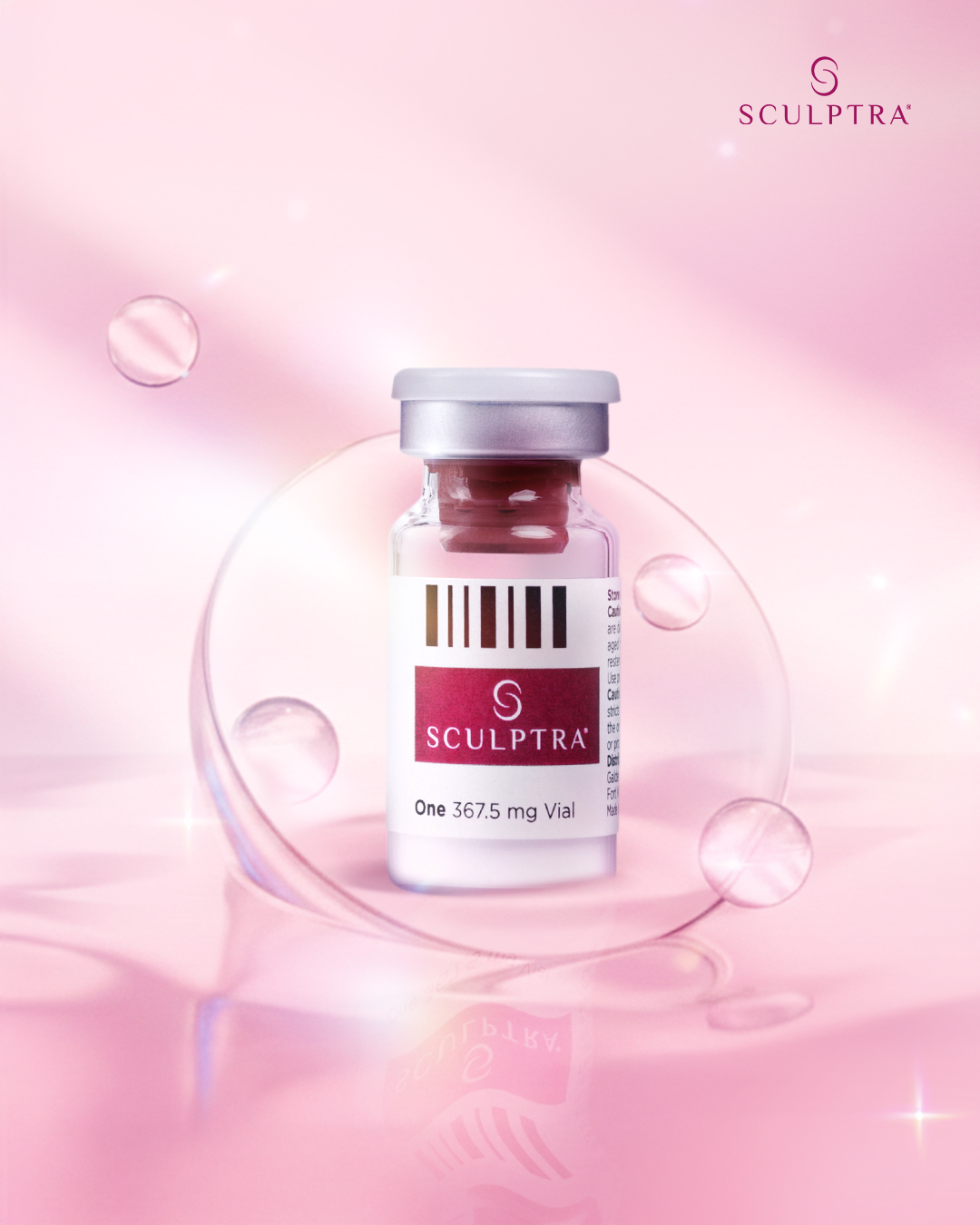
If you've been researching Sculptra (스컬트라) in Gwangju and found yourself overwhelmed by conflicting information — how many sessions do you actually need? Will it hurt? How long before you see results? — you're not alone. This guide aims to answer those questions honestly, without the hype.
목차
- What Is Sculptra and How Does It Work?
- Who Is a Good Candidate?
- The Treatment Process at MIMISOME Clinic
- Recovery, Downtime, and What to Expect
- Common Misconceptions About Sculptra
- Frequently Asked Questions
- Pre-Treatment Checklist
What Is Sculptra and How Does It Work?
The Active Ingredient: PLLA
Sculptra is an injectable treatment based on poly-L-lactic acid (PLLA), a biocompatible synthetic material that has been used in medical sutures for decades.
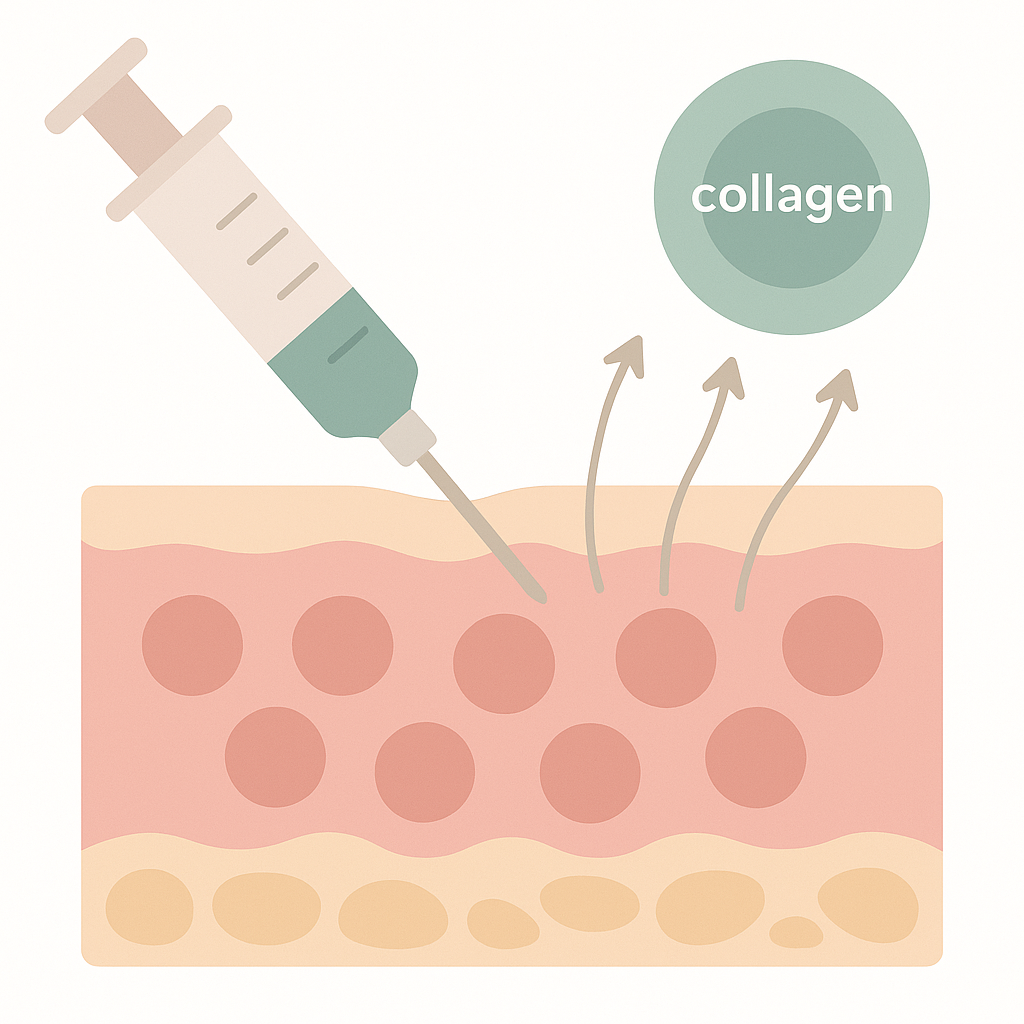
Unlike hyaluronic acid fillers that add volume directly upon injection, Sculptra works by gradually stimulating your skin's own collagen production over time. The result is a slower, more progressive improvement in skin thickness and structure.
Why It's Different from Conventional Fillers
Most fillers — such as hyaluronic acid products — provide immediate volume and typically last 6–18 months before being absorbed. Sculptra, by contrast, has a delayed onset: visible changes generally begin to appear weeks after treatment and continue developing over several months.
This is not a flaw — it's by design. The gradual nature of the result tends to look more natural and less "done."
Who Is a Good Candidate?
Suitable Concerns
Sculptra is typically recommended for individuals experiencing:
- Loss of facial volume and hollowness (especially in the cheeks, temples, or jawline area)
- Skin laxity and visible signs of collagen thinning
- A preference for gradual, natural-looking improvement rather than immediate change
Who Should Approach with Caution
Sculptra may not be appropriate for everyone. A thorough consultation with your medical team is essential if you:
- Have a history of keloid scarring or hypertrophic scarring
- Are pregnant or breastfeeding
- Have active skin infections or inflammation in the treatment area
- Have certain autoimmune conditions
Suitability is always assessed on an individual basis during your consultation.
The Treatment Process at MIMISOME Clinic
Consultation and Treatment Planning
Before any injection, the medical team at MIMISOME Clinic will assess your facial structure, skin condition, and goals. The number of vials and sessions recommended will vary depending on the degree of volume loss and your individual skin response.
Sculptra is not a one-size-fits-all treatment. Realistic expectations are discussed openly at this stage.
The Injection Itself
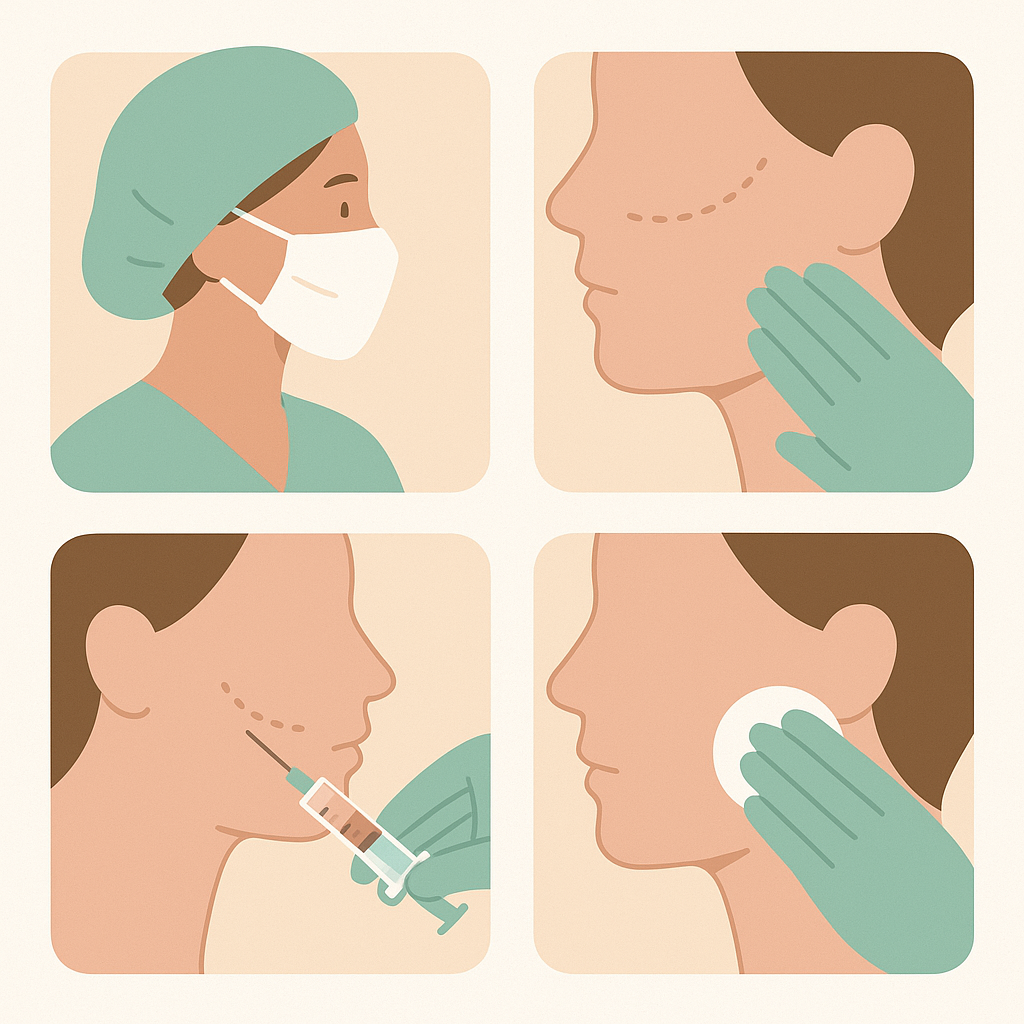
A topical numbing cream is typically applied beforehand to improve comfort. Sculptra is diluted with sterile water and lidocaine before injection, and the procedure itself generally takes around 30–45 minutes depending on the treatment area.
Gentle massage is performed after the injection — and you'll be instructed to continue massaging the treated area at home for several days. This step is important for even distribution of the product.
Pairing with Other Treatments
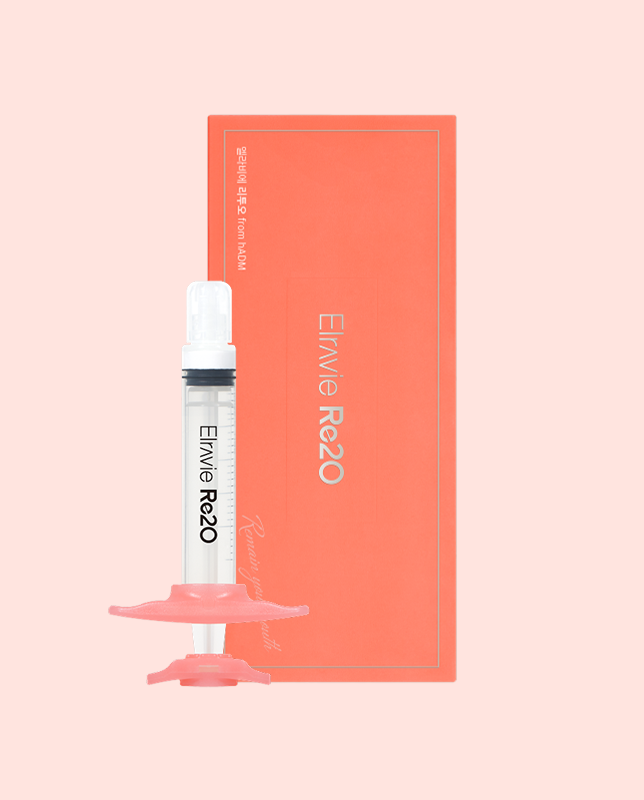
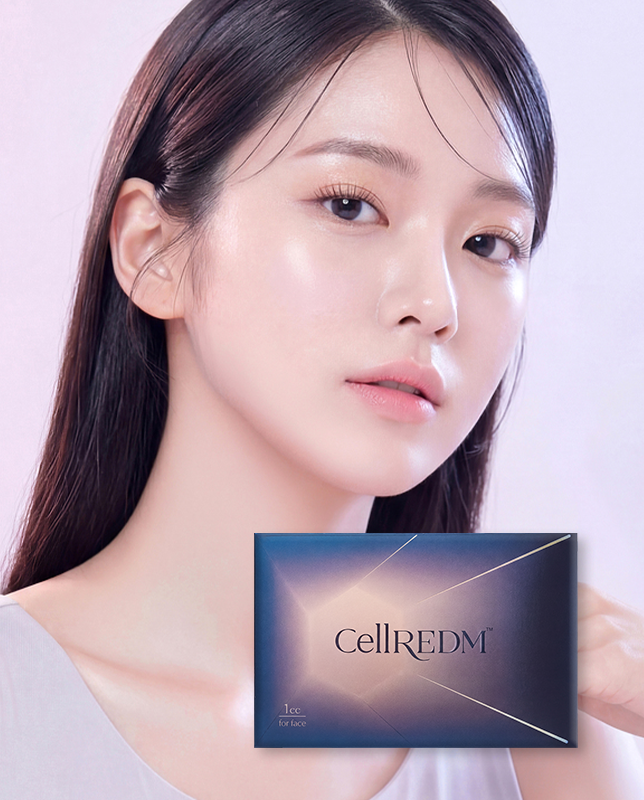
Sculptra can often be combined with other non-surgical approaches. At MIMISOME Clinic, the medical team may discuss complementary options such as Cellrderm or Re2O (리투오) collagen booster treatments, Miracel stem cell therapy, or Potenza DDR radiofrequency microneedling — depending on your skin's needs.
Any combination plan is tailored individually and discussed in detail during consultation.
Recovery, Downtime, and What to Expect
Immediately After Treatment
It is normal to experience some swelling, redness, tenderness, or bruising at the injection sites for a few days. You may also notice temporary volume from the dilution fluid — this is not your final result and will subside within a week.
Most patients are comfortable returning to their daily routine within 1–2 days, though strenuous exercise, saunas, and excessive sun exposure should be avoided for at least a week.
The Timeline of Results
Timeframe What to Expect Days 1–7 Initial swelling and redness; temporary volume from dilution fluid Weeks 1–4 Swelling resolves; the area may look similar to pre-treatment — this is normal Months 1–3 Gradual collagen stimulation begins; subtle improvement may be noticed Months 3–6+ More visible improvement as collagen continues to develop; results vary by individual Results and longevity differ between individuals. Multiple sessions are commonly needed for optimal outcomes.
Common Misconceptions About Sculptra
"The Results Are Permanent"
This is one of the most common misunderstandings. Sculptra is not permanent. While its effects tend to last longer than many conventional hyaluronic acid fillers — often cited as up to two years or more in some patients — results will gradually diminish over time. Maintenance sessions are typically recommended.
"You'll See Results Right Away"
As outlined above, the initial swelling after injection is from the dilution fluid, not the Sculptra itself. The actual collagen-stimulating effect takes weeks to months. Patients who go in expecting immediate dramatic results often feel disappointed unnecessarily — understanding this timeline upfront is key.
"More Vials Means Better Results"
More is not always more. Overly aggressive treatment increases the risk of irregularities or nodules. An appropriate, conservative dosing plan assessed by the medical team is safer and typically produces more natural-looking outcomes.
Frequently Asked Questions
Q. How many Sculptra sessions will I need?
A. The number of sessions varies widely depending on the individual's degree of volume loss, skin condition, age, and treatment goals. A common starting point is 2–3 sessions spaced several weeks apart, but this is determined on a case-by-case basis during your consultation with the medical team. There is no universal answer.
Q. Is Sculptra painful?
A. Most patients describe the sensation as mild to moderate discomfort rather than significant pain, especially with topical numbing cream applied beforehand. Sculptra is also typically diluted with lidocaine (a local anesthetic), which helps reduce discomfort during injection. Sensitivity varies by individual and treatment area.
Q. Can Sculptra be combined with other treatments like fillers or skin boosters?
A. In many cases, yes — but this depends on your overall treatment plan and the judgment of the medical team. At MIMISOME Clinic, options such as collagen boosters (e.g., Cellrderm, Re2O), Miracel stem cell treatment, or injectable skin boosters may be considered alongside Sculptra as part of a comprehensive approach. Combinations are planned carefully to avoid overtreatment.
Pre-Treatment Checklist
Before attending your Sculptra appointment, please review the following:
- ✅ Inform the medical team of all current medications, including supplements (especially blood thinners such as aspirin, fish oil, vitamin E)
- ✅ Avoid alcohol for at least 24–48 hours before the procedure
- ✅ Arrive with a clean face — no makeup in the treatment area
- ✅ Disclose any history of cold sores, skin conditions, or previous filler treatments
- ✅ Arrange for a relaxed schedule for 1–2 days post-treatment if possible
- ✅ Plan to massage the treated area as instructed — typically 5 minutes, 5 times a day, for 5 days (the "5-5-5 rule") — confirm exact guidance with your medical team
- ✅ Avoid intense exercise, saunas, and direct sun exposure for at least one week after treatment
- ✅ Understand that final results take time — set realistic expectations before proceeding
Every individual's skin is different, and the information in this article is intended as a general educational resource only. Before proceeding with any treatment, we strongly encourage a one-on-one consultation with the medical team to ensure Sculptra — or any alternative — is the right choice for your specific needs and health status.
-
A
Wondering whether Sofwave is painful, how long the results last, or whether you really need to take time off work afterwards? If you've been searching for a Sofwave facial lifting clinic in Gimhae Korea, this guide walks you through everything — from how the technology works to what a typical session at Mimisome Clinic Gimhae actually feels like.
Index
- What Is Sofwave? The Technology Behind the Treatment
- Who Is a Good Candidate for Sofwave in Gimhae?
- What to Expect: Procedure, Downtime & Results
- Sofwave vs. Ulthera vs. Thermage: Which Is Right for You?
- Frequently Asked Questions
- Pre-Treatment Checklist
What Is Sofwave? The Technology Behind the Treatment
SUPERB™ Technology: Seven Parallel Ultrasound Beams
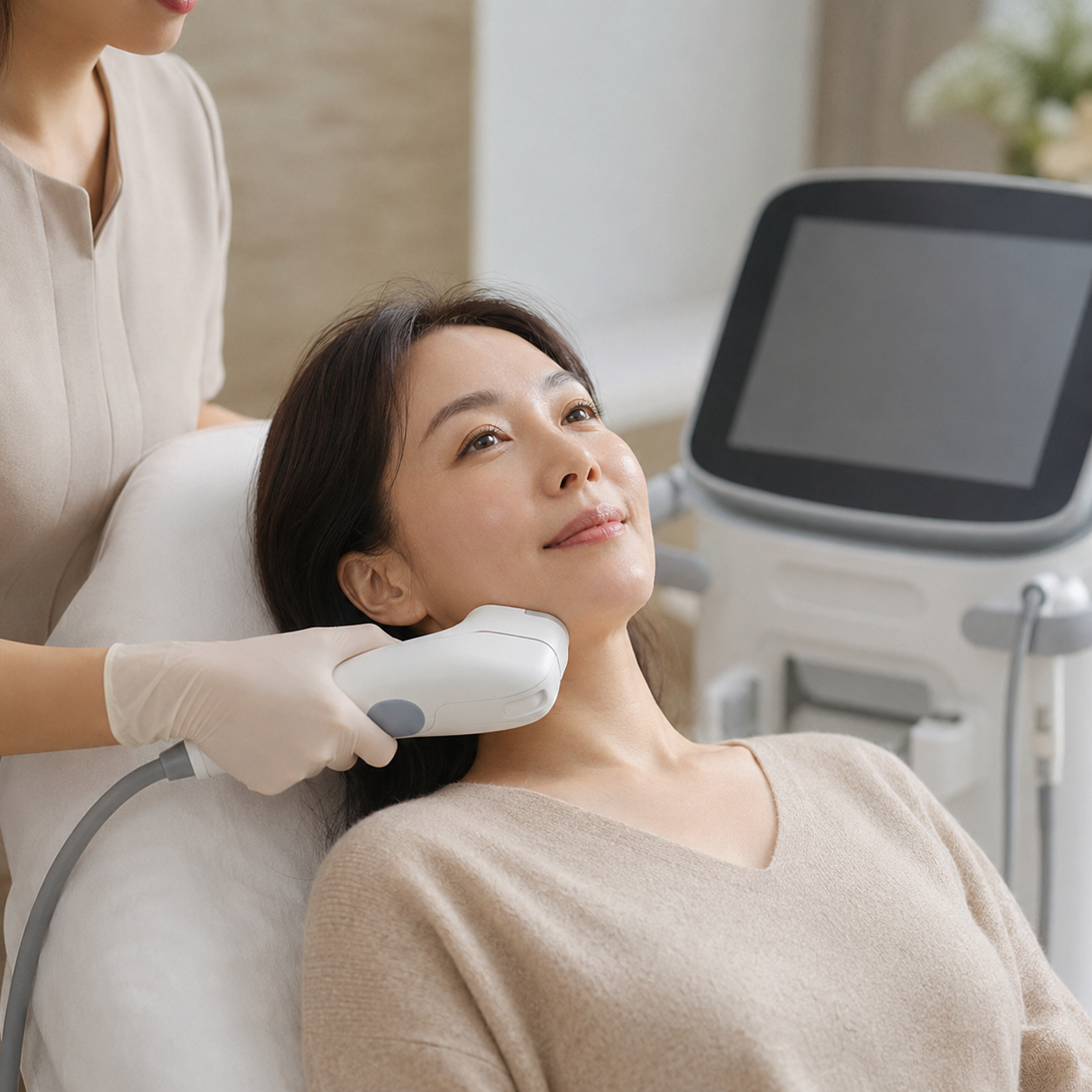
Sofwave uses its proprietary SUPERB™ (Synchronous Ultrasound Parallel Beam) technology to deliver seven high-intensity ultrasound beams simultaneously in a single pass.
Unlike conventional point-based HIFU devices, these parallel beams create a broader, more uniform field of thermal energy — covering more surface area in less time while maintaining precise depth control.
Targeting the Mid-Dermis at 1.5 mm
The energy is focused on the mid-dermis at a depth of 1.5 mm — exactly where collagen and elastin fibres are most densely concentrated.
At this depth, the beams generate cylindrical coagulation points at 60–70 °C, stimulating fibroblasts to produce new collagen and elastin. Crucially, the epidermis above and the fat layer below are left undisturbed.
Sofcool™ Integrated Cooling System
A built-in Sofcool™ cooling system continuously protects the skin surface throughout the procedure.
This reduces the risk of surface burns and keeps discomfort at a manageable level — even without topical anaesthesia, a clinical study recorded an average pain score of 3.94 out of 10. Numbing cream can be applied beforehand for added comfort.
Who Is a Good Candidate for Sofwave in Gimhae?
Skin Concerns That Sofwave Addresses
Sofwave is well-suited for those experiencing any of the following:
- General loss of facial firmness and fine lines around the eyes, mouth, or forehead
- Rough or uneven skin texture that feels less smooth than it used to
- Mild-to-moderate laxity along the jawline, under the chin, or on the neck
- Loose or crepey skin on the décolleté or upper arms
The treatment has received US FDA clearance for lifting the eyebrow, submental (under-chin), and neck tissue, as well as for improving fine lines and wrinkles.
Ideal Age Range and Lifestyle Fit
Sofwave is broadly suitable for individuals in their mid-30s to 50s who want to address early-to-moderate signs of ageing without surgery or significant downtime.
It is particularly appropriate for:
- People concerned about cheek-hollowing associated with deeper HIFU devices (Sofwave does not affect the fat layer)
- Those sensitive to pain who have avoided other lifting treatments
- Busy professionals in Gimhae or the wider Gyeongnam area who cannot afford recovery time
When Sofwave May Not Be Suitable
Sofwave is not recommended for the following groups, and a prior consultation with the medical team is essential:
- Pregnant or breastfeeding individuals
- Those with active infection or inflammation in the treatment area
- Individuals with metal implants or a cardiac pacemaker
- Those who have recently had filler injections (treatment should be scheduled once the filler has fully settled)
What to Expect: Procedure, Downtime & Results
Session Length and What Happens in the Room
A full-face session typically takes 20 to 45 minutes, making it easy to fit into a lunch break or after-work schedule.
The handpiece is moved across the treatment area in controlled passes. Most people feel a warm vibration or mild buzzing sensation; areas close to bone — such as the forehead or temples — may feel slightly more intense.
Downtime: Virtually None
Because Sofwave targets only the mid-dermis and leaves the epidermis intact, there is virtually no downtime.
Most clients can apply make-up and return to normal activities immediately after leaving the clinic. Some temporary redness, warmth, mild swelling, or a brief tingling sensation may occur, but these effects generally resolve within a few days. Rare side effects include folliculitis or allergic reactions — the medical team at Mimisome will discuss these with you during your consultation.
When Will You See Results?
A degree of immediate skin tightening is often noticeable right after the session.
However, the primary benefit comes from new collagen formation, which builds gradually. Most clients notice a meaningful improvement from 4 to 8 weeks post-treatment, with results typically peaking at 3 to 6 months.
How Long Do Results Last?
Treatment Area Approximate Duration Notes Forehead / Temples 18–24 months Lower-movement zones tend to hold results longer Eye area / Mouth area / Neck 12–15 months Higher-movement zones; results may fade sooner Overall average 12–24 months Individual results vary; annual booster sessions recommended For the first course of treatment, the medical team typically suggests 1–2 sessions spaced 4 to 12 weeks apart to build cumulative collagen. After that, an annual booster is the standard maintenance approach.
Sofwave vs. Ulthera vs. Thermage: Which Is Right for You?
How the Three Technologies Differ
Mimisome Clinic Gimhae offers all three platforms — Sofwave, Ulthera, and Thermage FLX — so the medical team can recommend the most appropriate option based on your specific concerns and skin condition.
- Ulthera (HIFU): Targets the deeper SMAS layer at 4.5 mm using focused point energy. Well-suited for significant sagging and facial contouring, but typically involves more discomfort and carries a small risk of cheek-hollowing from fat-layer disruption.
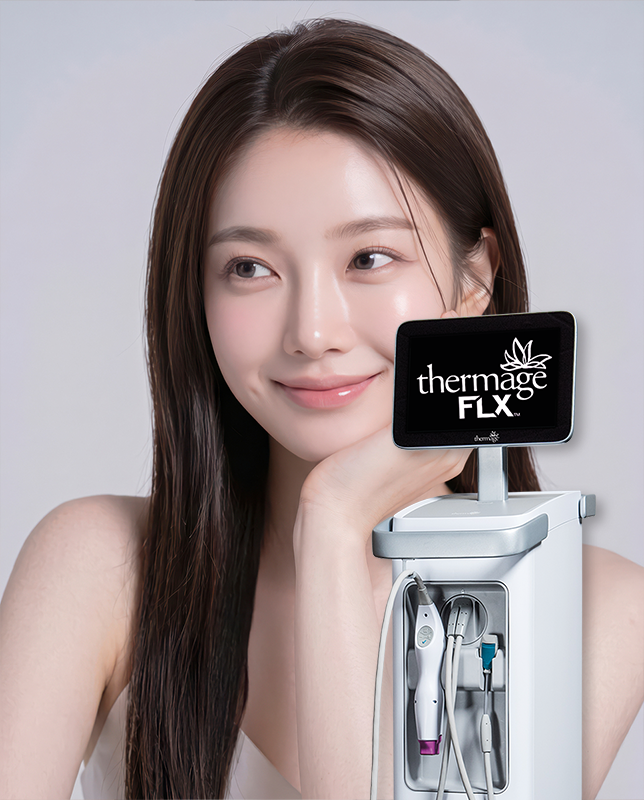
- Thermage FLX (RF): Delivers radiofrequency energy across the full dermis for broad-based tightening. A good option for overall skin quality improvement.
- Sofwave (parallel ultrasound): Targets only the mid-dermis at 1.5 mm using seven simultaneous beams. Relatively low discomfort, no effect on the fat layer, and particularly effective for fine lines and surface skin texture.
If you have been hesitant about Ulthera specifically because of cheek-hollowing concerns, Sofwave is worth discussing with the medical team as part of your non-invasive lifting plan in Gimhae.
Combining Sofwave with Other Treatments
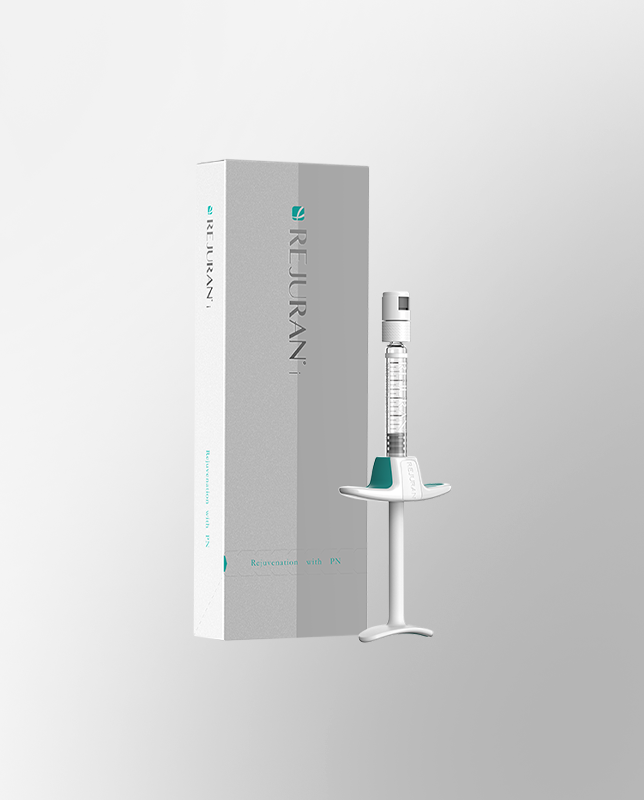
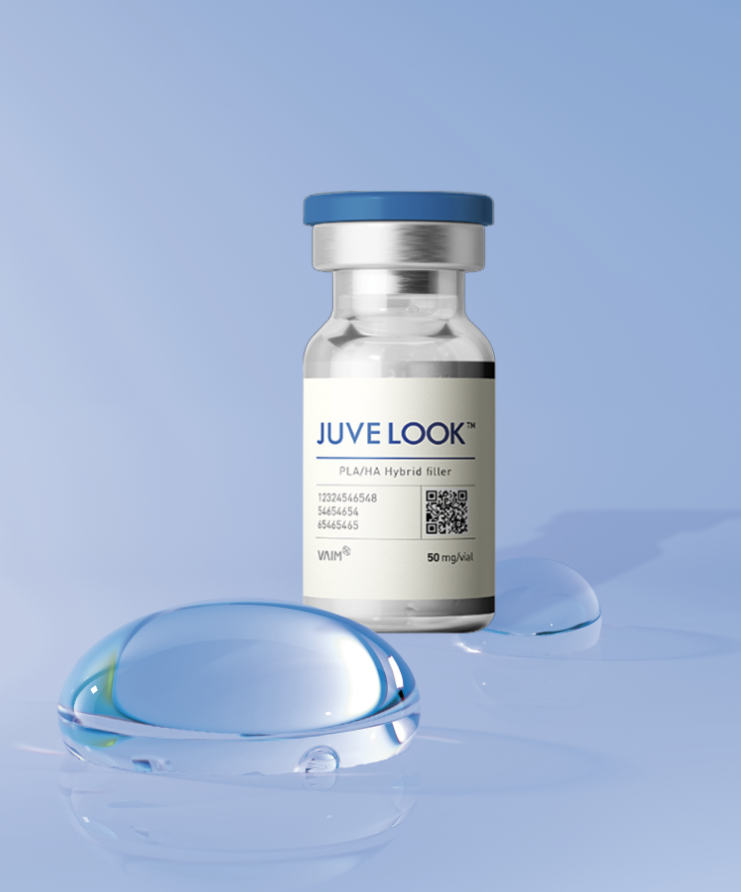
Sofwave can complement other in-clinic treatments. For example, skin-booster injections such as Rejuran HB or Juvelook Skin may support hydration and skin quality alongside the structural lifting provided by ultrasound skin lifting in Gimhae.
If you are considering filler treatments (e.g., Juvederm, Pure Filler, or Attiere), these should be scheduled separately — Sofwave should be performed only after any filler has fully stabilised. The medical team will advise on timing during consultation.
For more information on current treatment packages and pricing at Mimisome Clinic Gimhae, you can check the latest Sofwave events and promotions.
Frequently Asked Questions
Q. Is Sofwave painful? Do I need anaesthesia?
A. Thanks to the integrated Sofcool™ cooling system, most people find the procedure tolerable. In a clinical study conducted without topical anaesthesia, the average pain score was 3.94 out of 10. Numbing cream can be applied beforehand for extra comfort. Areas near bone — such as the forehead and temples — may feel a stronger vibration or pressure, but this is temporary. Please discuss pain sensitivity with the medical team before your session.
Q. Will I need more than one session?
A. A single session can produce noticeable collagen remodelling, and many clients are happy with one treatment. However, if you are in your 30s or above and dealing with moderate skin laxity, 1–2 initial sessions spaced 4 to 12 weeks apart are generally recommended to maximise cumulative collagen build-up. After the initial course, one annual booster session is considered the standard maintenance approach. Individual needs vary — the medical team will assess your skin and suggest a plan suited to you.
Q. How is Sofwave different from the Ulthera or Thermage FLX already available at Mimisome Gimhae?
A. All three devices work differently and address slightly different concerns. Ulthera reaches the deeper SMAS layer and is often chosen for more pronounced sagging; Thermage FLX uses radiofrequency to improve overall skin firmness. Sofwave uniquely targets the mid-dermis at 1.5 mm with parallel ultrasound beams — it is particularly suited to fine lines, skin texture, and clients who want to avoid fat-layer disruption. Rather than one being universally "better," the right choice depends on your skin condition and goals. A consultation at Mimisome Clinic Gimhae will help clarify which approach — or combination — is appropriate for you.
Pre-Treatment Checklist
Before attending your Sofwave appointment at Mimisome Clinic Gimhae, please review the following points:
- Inform the medical team if you are pregnant, breastfeeding, or have any active skin infection or inflammation in the treatment area.
- Disclose any metal implants, cardiac pacemaker, or other electronic implanted devices.
- If you have recently had dermal filler injections, let the team know — Sofwave should be scheduled after the filler has fully settled.
- Arrive with clean skin; remove all make-up and skincare products before the session.
- After treatment, apply SPF diligently and avoid prolonged sun exposure, smoking, excessive alcohol, and extreme dieting — all of which can interfere with collagen production.
- Maintain consistent moisturising and sun protection as part of your post-treatment routine.
- Contact the clinic promptly if you notice any unusual or prolonged side effects after the session.
Related Articles
If you are considering non-surgical skin tightening in Gimhae, Gyeongnam and would like to find out whether Sofwave is suitable for your skin, the medical team at Mimisome Clinic Gimhae is available for a personalised consultation. The clinic is located at 4F & 5F, Naedong Starbucks Building, 67 Gyeongwon-ro, Gimhae, Gyeongnam. Results and suitability vary between individuals — please consult the medical team for advice tailored to your condition.
Mimisome Clinic, Jinju 521, Jinyangho-ro, Jinju-si, Gyeongsangnam-do, Republic of Korea, 2F (Megabox Jinju) Representative: Park Hye-yeon Business Registration Number: 388-02-03667
Copyright 2023. MIMISOME. all rights reserved.